
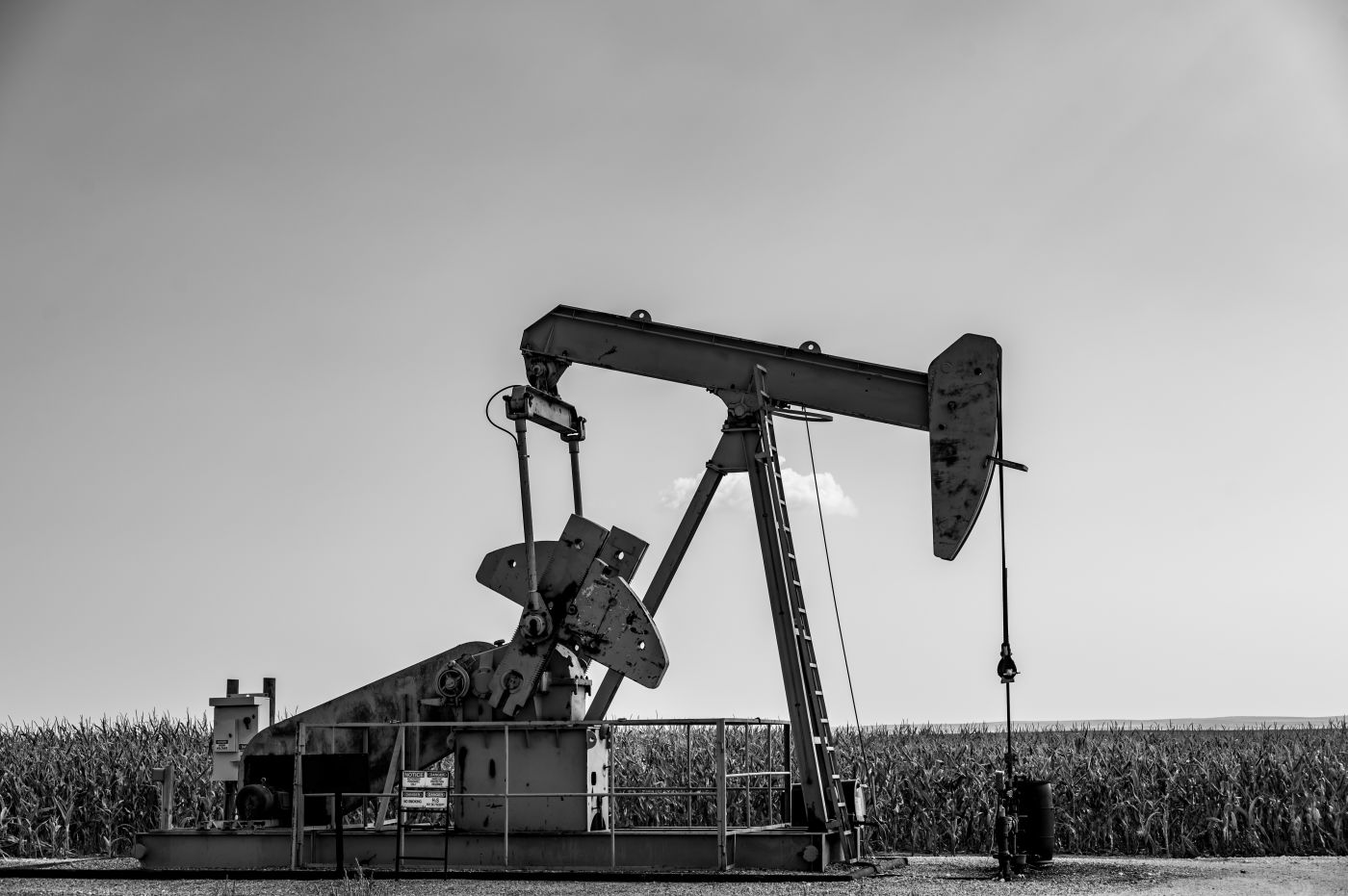
Owning mineral rights can be an important financial opportunity, but it can also create frustration when an oil and gas lease does not produce the results you expected. Property owners may feel uncertain when a lease remains active with no drilling or production.
Questions about whether a lease can be ended, what rights a landowner has, and what legal steps are available can become significant concerns. At Wadler Perches & Kerlick, we assist individuals and businesses throughout Wharton, Richmond, Fulshear, and Bay City, Texas, as well as clients in Fort Bend County, Wharton County, Matagorda County, and Southeast Texas.
If you have questions about a non-producing oil lease and your available options, contact our attorneys at Wadler Perches & Kerlick today to discuss your situation and learn how we may help.
Review the Terms of the Oil Lease Agreement
Before attempting to terminate a non-producing oil lease, it is important to carefully review the agreement itself. Oil and gas leases contain specific terms that determine how long the lease remains active, what obligations the parties have, and what events may affect the agreement's continuation.
Some leases include provisions that allow the lease to continue even when production has not started. Others may include requirements related to drilling activity, delays, or payments that affect whether the lease remains valid.
A careful review of the lease language can provide important information about your rights as a property owner. An experienced lawyer can examine the agreement and explain how its terms may apply to your circumstances. Many property owners consult business lawyers when they need help reviewing oil and gas contracts.
We help clients address oil and gas matters by reviewing agreements, explaining legal options, and providing guidance from experienced business lawyers.
Determine Whether the Lease Is Still Active
A non-producing oil lease does not automatically end simply because no oil or gas is being extracted. Whether a lease remains active depends on the language of the agreement and the actions taken by the parties involved.
Some leases have a primary term, the initial period during which the lease remains in effect. After that period, the lease may continue under certain conditions, such as production, drilling operations, or other lease provisions.
Before considering termination, property owners should review the circumstances affecting the lease.
Factors that may affect lease status include:
Primary lease term: The original length of time stated in the agreement.
Production requirements: Whether commercial production has occurred.
Delay rental payments: Payments that may extend lease rights in some agreements.
Drilling activity: Whether qualifying operations have taken place.
Extension provisions: Contract terms that may allow continuation.
Determining whether a lease remains active can require careful contract review. Business lawyers can help property owners evaluate lease provisions and determine what options may be available.
Explore Possible Ways to End a Non-Producing Lease
The ability to terminate an oil lease depends on the facts of the situation and the terms included in the agreement. Some leases may expire naturally, while others may require additional action to address the lack of production.
In certain situations, a landowner may need to communicate with the leasing party, request a release, or take other legal steps. The appropriate approach depends on the agreement and applicable Texas law.
Before pursuing termination, consider some possible options. Potential ways a lease may end include:
Expiration of the lease term: The agreement may end when the stated period expires.
Failure to meet lease obligations: A party may have grounds to challenge continuation if required actions were not completed.
Mutual agreement: The landowner and leaseholder may agree to terminate the lease.
Release of lease rights: The company holding the lease may provide a formal release.
Legal action: Court involvement may be necessary in certain disputes.
Each situation requires an individual review of the lease and surrounding facts. Business lawyers can help property owners determine the best approach for addressing a non-producing oil lease.
Address Common Oil Lease Disputes
Disagreements involving oil and gas leases can arise for many reasons. Property owners may question whether a company has maintained its lease rights, whether payments were properly made, or whether the leaseholder has met its obligations.
Resolving these disputes often requires reviewing contracts, payment records, production information, and communications between the parties. Having a clear understanding of the available information can help determine the next steps.
Before taking action, consider the types of issues that commonly lead to oil lease disputes. Common lease disputes may involve:
Failure to begin drilling operations.
Disagreements about lease extensions.
Questions about royalty payments.
Disputes regarding production levels.
Issues involving lease assignments.
Concerns about contract violations.
Addressing these disputes early may help protect your property interests. Business lawyers can assist with reviewing documents, explaining legal rights, and helping clients pursue appropriate solutions.
We help clients review oil and gas agreements, address disputes, and pursue solutions with guidance from knowledgeable business lawyers.
Protect Your Property Interests With Legal Guidance
A non-producing oil lease can create uncertainty for property owners who want to understand their rights and future options.
While the answer to whether a lease can be terminated depends on the specific agreement and circumstances, reviewing the contract carefully is an important first step. Taking action with a clear understanding of your legal position can help you make informed decisions about your property.
At Wadler Perches & Kerlick, we assist clients in Wharton, Richmond, Fulshear, and Bay City, Texas, as well as individuals and businesses throughout Fort Bend County, Wharton County, Matagorda County, and Southeast Texas.
If you are dealing with a non-producing oil lease and want to learn more about your legal options, contact Wadler Perches & Kerlick today to discuss your situation and take the next step toward protecting your property interests.