
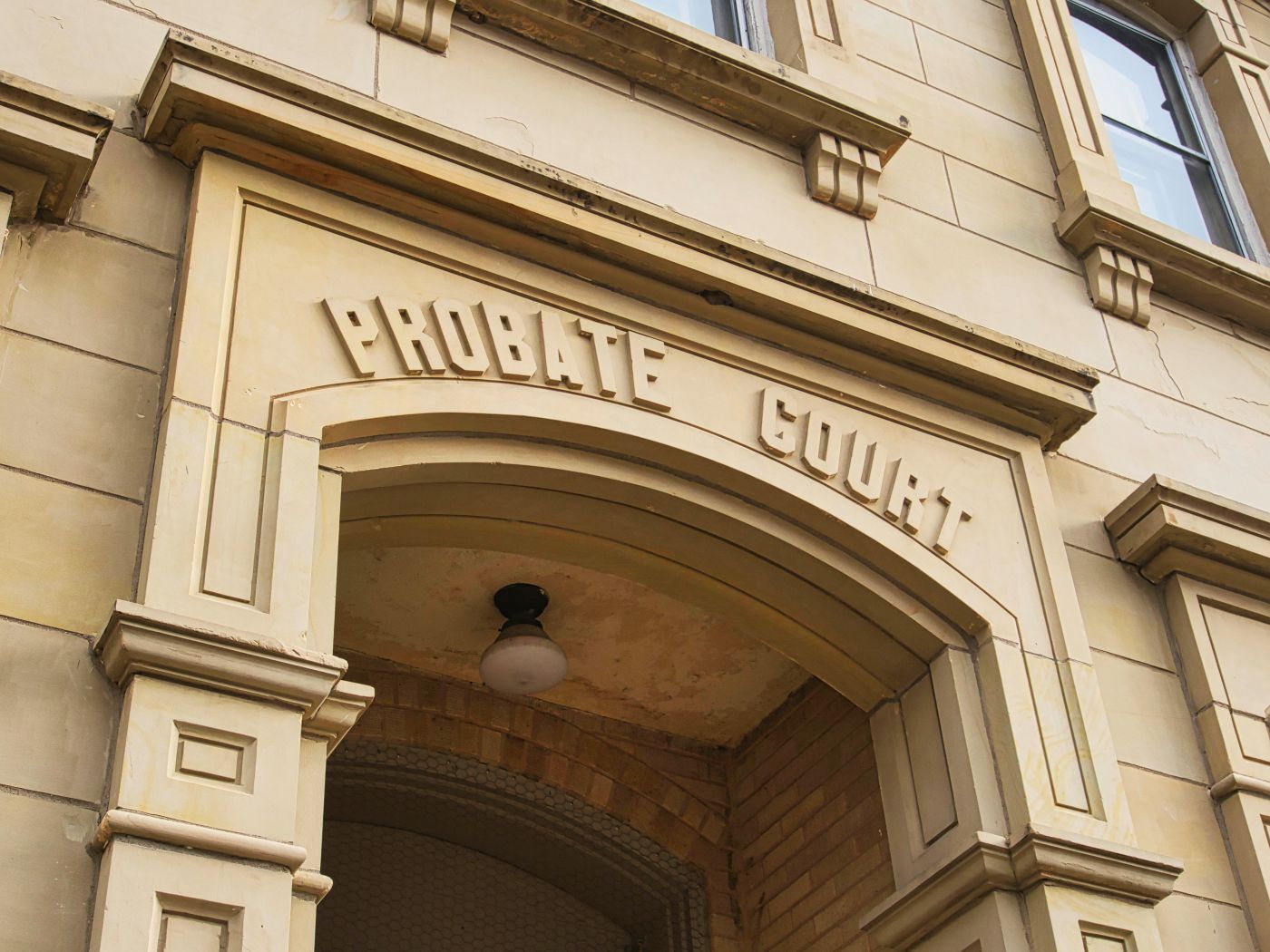
When a loved one passes away, disagreements about a will can create uncertainty for family members and beneficiaries. While many estates move through probate without disputes, some situations raise concerns about whether a will reflects the person’s true wishes or was created under improper circumstances.
A will challenge requires a valid legal basis and careful review of the circumstances surrounding the document. At Wadler Perches & Kerlick, our Texas probate attorneys help individuals and families address will disputes and understand their options during probate.
Contact us to discuss your concerns about a will or estate matter. With offices in Wharton, Texas, as well as Richmond, Fulshear, and Bay City, we assist clients throughout Fort Bend County, Wharton County, Matagorda County, and Southeast Texas. Contact our attorneys at Wadler Perches & Kerlick today for assistance with your probate needs.
Who Has The Right To Challenge A Will?
Not everyone can bring a challenge in probate court. As our attorneys at Wadler Perches & Kerlick often explain when reviewing estate disputes, a person typically must have a financial or legal interest that could be affected by the outcome of the case. This is often referred to as having standing to contest a will.
Individuals who may have the ability to challenge a will can include:
Beneficiaries named in a previous will who receive less or nothing under a newer version
Family members who would inherit under Texas law if no valid will existed
Beneficiaries listed in the current will who believe the document does not reflect the deceased person’s wishes
A person’s relationship with the deceased alone does not always provide enough reason to challenge a will. The person bringing the claim must usually show how the outcome of the probate court proceeding could affect their rights or inheritance.
Because each situation depends on the facts involved, we review the circumstances surrounding the will before determining whether a challenge may be appropriate.
Common Reasons A Will May Be Challenged
A will contest in probate court must generally be based on specific legal grounds. Disagreeing with how someone chose to distribute their property is usually not enough. Instead, a challenger may need to show that the will was created under improper circumstances.
Some common reasons a will may be challenged include:
The person who created the will lacked the required mental capacity at the time it was signed
Someone used pressure, manipulation, or improper influence to affect the contents of the will
The will was not signed or witnessed according to Texas requirements
The document may involve fraud, forgery, or inaccurate information
A challenge may also involve questions about whether a newer will should replace an older document. In these situations, probate court proceedings may focus on which version of the will reflects the person’s actual intentions.
We help clients examine the available information and determine what steps may be available based on their circumstances.
How The Probate Court Reviews A Will Contest
When someone challenges a will, the probate court reviews evidence from both sides before making a decision. This process may involve documents, witness statements, medical records, and other information related to how the will was prepared and signed.
The court may consider questions such as:
Did the person understand what they were signing?
Was the will created voluntarily?
Were the required signing procedures followed?
Is there evidence that someone interfered with the person’s decisions?
A probate court does not change a will simply because family members disagree about the inheritance. The person challenging the will generally must present evidence supporting their claims.
Because will disputes can affect families and property, preparing a clear approach from the beginning can help protect a person’s interests throughout the process.
What To Consider Before Filing A Will Challenge
Before filing a challenge in probate court, evaluate the potential benefits, risks, and available evidence. Consider whether you have a valid legal basis and whether the available information supports moving forward.
We encourage individuals with concerns about a will to gather relevant documents, including:
Copies of the will and any previous versions
Communications related to the creation or changes made to the will
Information about the person’s health and decision-making ability
Details about individuals who may have influenced the estate planning process
Taking action early matters because Texas law places time limits on certain probate court matters. Waiting too long may affect a person’s ability to raise a challenge.
Get Help From Our Probate Attorneys
Challenging a will can involve important decisions about an estate, family relationships, and a person’s inheritance rights. Taking time to review the circumstances surrounding a will and understand the available options can help individuals make informed choices during the probate process.
At Wadler Perches & Kerlick, we assist clients with will contests and other probate matters involving questions about a person’s final wishes. Our probate attorneys help clients evaluate their concerns, review available information, and address disputes involving estate administration.
With offices in Wharton, Texas, as well as Richmond, Fulshear, and Bay City, we proudly serve clients throughout Fort Bend County, Wharton County, Matagorda County, and Southeast Texas. Contact us today to discuss your probate concerns and learn how we can assist with your will challenge.